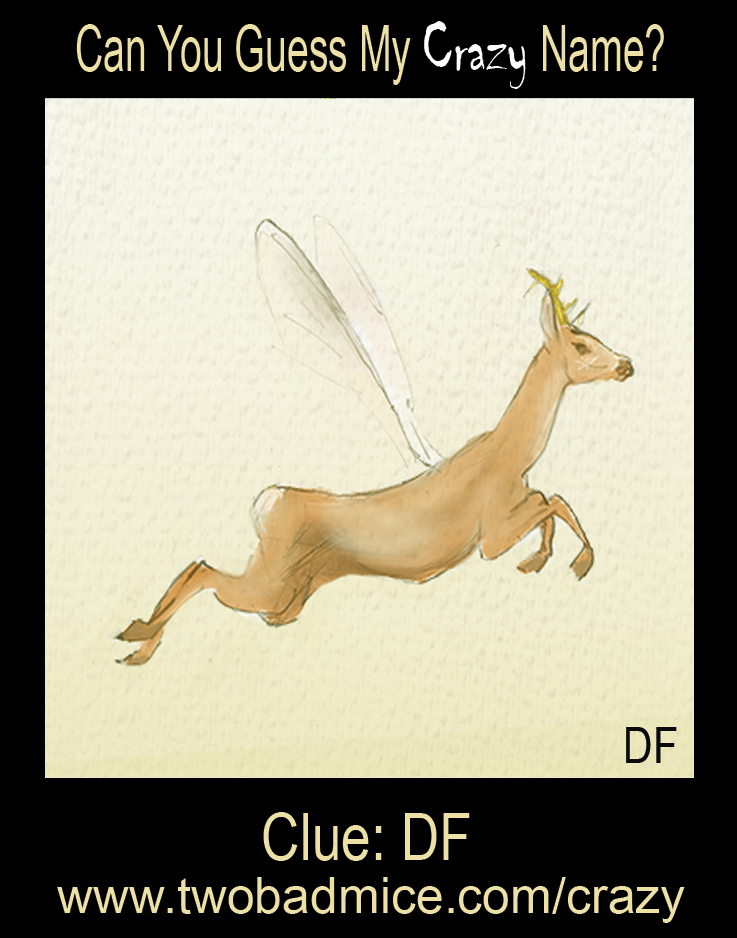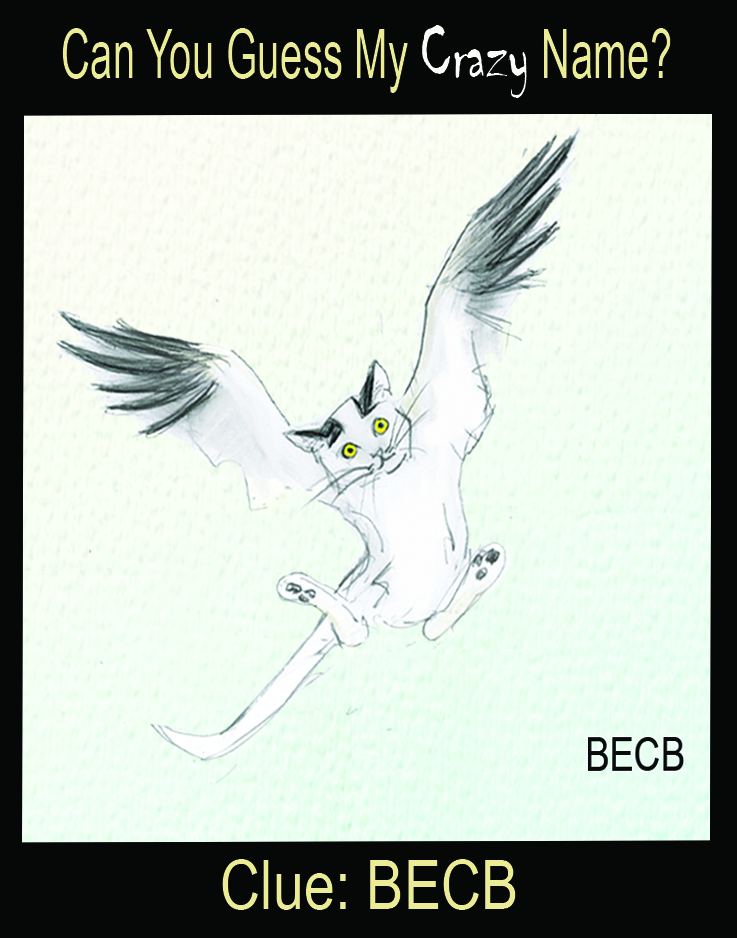
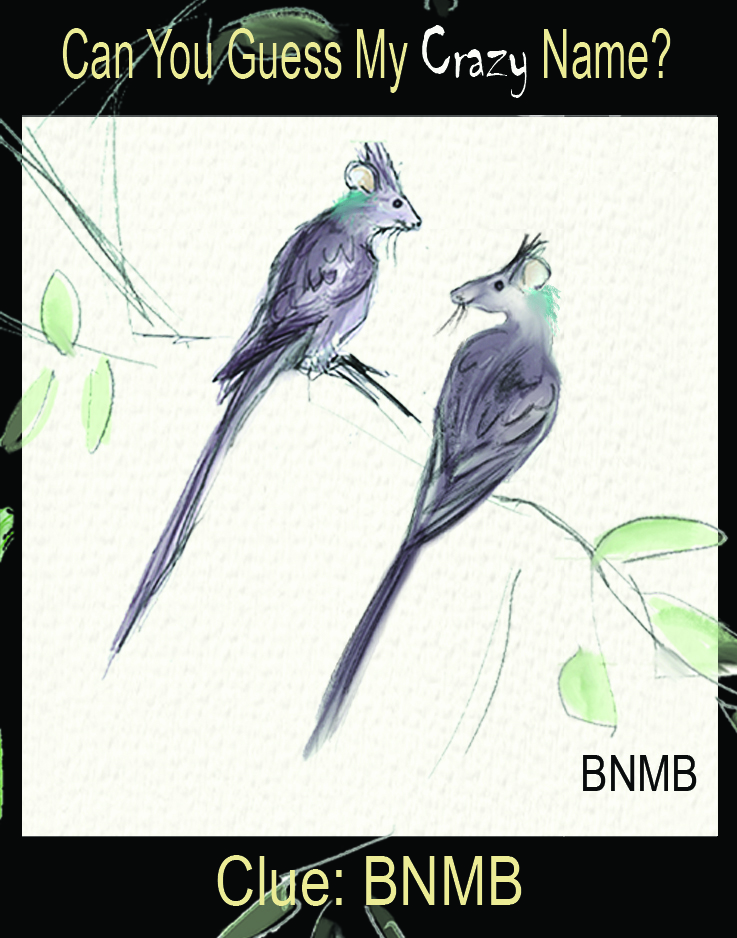
BNMB Blue Naped Mouse Birds

Mouse Birds Crazy Names Julain Williams Art

Mousebirds (family Coliidae, order Coliiformes) are a small, unique group of birds indigenous entirely to sub-Saharan Africa. They are considered “living fossils” because they are the only survivors of an ancient lineage that was vastly more diverse millions of years ago. [1, 2]

🧬 Why Are They Called “Mousebirds”?

They get their name from two distinct, highly unusual traits: [1]

  • Mouse-like movement: Instead of hopping or jumping like typical birds, they use their powerful legs to crawl, scurry, and scamper through thick foliage and branches exactly like rodents. [1, 2]
  • Fur-like appearance: Their bodies are covered in soft, fluffy, greyish-brown feathers that resemble hair or fur rather than standard bird feathers. [1, 2, 3]

🌟 Key Characteristics & Adaptations

  • Acrobatic Feet: Mousebirds have pamprodactyl feet, meaning they have reversible outer toes. They can rotate all four toes forward or backward, allowing them to seamlessly hang completely upside down to forage or even feed holding on with a single foot. [1, 2, 3, 4]
  • Distinct Body Shape: They are relatively small—typically about 10 cm in body length—but sport an incredibly long, rigid tail that spans an additional 20 to 24 cm. They also feature a distinct wispy crest on their heads. [1, 2]
  • Extreme Socialites: They are highly gregarious and travel in tight-knit flocks of about 20 birds. To conserve energy and stay warm during cold or rainy nights, the entire flock will bundle together in massive, tight huddles. [1, 2, 3, 4]
  • Solar-Powered Digestion: Their diet consists almost entirely of berries, fruits, and buds. To digest this heavy vegetation, they will hang upside down with their belly skin exposed to the sun, absorbing solar heat to jumpstart their digestive tract. [1, 2, 3]

🌍 The 6 Extant Species

There are only six surviving species of mousebirds in the world today: [1]

  1. Speckled Mousebird (Colius striatus)
  2. White-backed Mousebird (Colius colius)
  3. Blue-naped Mousebird (Urocolius macrourus)
  4. Red-faced Mousebird (Urocolius indicus)
  5. White-headed Mousebird (Colius leucocephalus)
  6. Chestnut-backed Mousebird (Colius castanotus) [1, 2]

TR Trumpet Fish

Trumpet Fish crazy name Julian Williams art

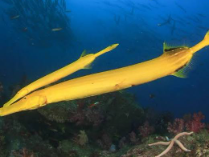
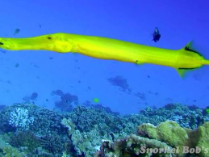
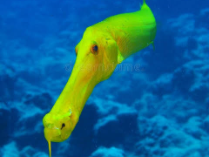
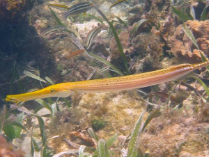
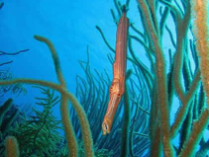
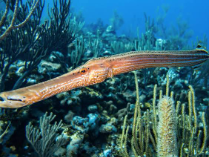
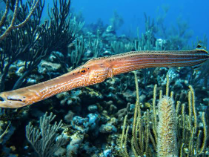
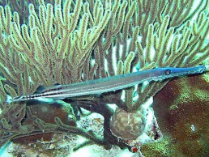
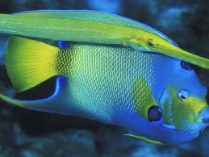
Trumpetfish (genus Aulostomus) are a family of highly specialized, elongated marine reef predators closely related to seahorses and cornetfishes. Named for their long, tubular snouts that resemble the mouthpiece of a trumpet, these masters of disguise are renowned for their unique stealth hunting tactics in tropical and subtropical waters worldwide. [1, 2, 3, 4]

Physical Characteristics

  • Body Shape: Their bodies are long, thin, and cylindrical, typically growing between 20 to 30 inches (50 to 80 cm), though exceptional specimens can reach nearly 40 inches. [1, 2, 3]
  • Flexible Jaws: Their jaws are supported by an elastic tissue system that expands rapidly into a circular hole roughly equal to the diameter of their body. [1, 2]
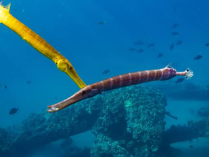
  • Color Changing: Equipped with specialized pigment cells called chromatophores, they can rapidly shift colors between bright yellow, reddish-brown, green, and blue-grey to perfectly match their surroundings. [1, 2]

Stealth Hunting Tactics

Because trumpetfish are poor long-distance swimmers, they rely entirely on stealth to catch small fish and crustaceans: [1, 2]
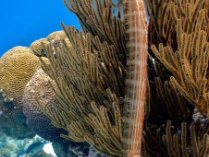
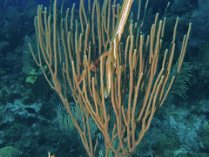
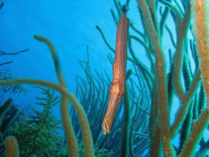
  1. Vertical Ambush: They float completely motionless in a vertical, head-down position among soft corals, gorgonians, or seagrass, blending in as part of the environment. [1, 2]
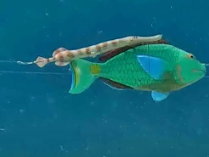
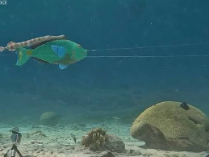
  2. Shadow Hunting: They will swim closely alongside larger, herbivorous fish (like parrotfish), using them as a moving blind to sneak close to unsuspecting prey. [1, 2]
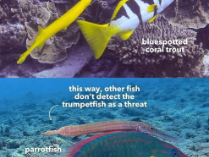
  3. Suction (Pipette) Feeding: Once close enough, they open their mouths in milliseconds. This creates an extremely powerful vacuum vortex that draws the prey straight into their throat whole. [1, 2, 3]

Species & Distribution

There are three recognized species within the monogeneric family:

  • Atlantic Trumpetfish (Aulostomus maculatus): Common across the Caribbean, Gulf of Mexico, and Florida.
  • Chinese / Pacific Trumpetfish (Aulostomus chinensis): Found across the vast warm waters of the Indo-Pacific, from East Africa to Hawaii.
  • Reef Trumpetfish (Aulostomus strigosus): Inhabits the coastal eastern Atlantic Ocean, notably around Macaronesia and West Africa. [1, 2, 3]

To see these camouflage tactics and unique suction-feeding mechanics in active underwater footage, you can watch this brief explanatory video:

Here is a closer look at the remarkable visual world of the trumpetfish, showcasing their incredible diversity in coloration and their famous stealth behaviors.

Vibrant Color Morphing

Trumpetfish are famous for their ability to shift colors rapidly using special pigment cells. The bright yellow morph (most commonly seen in the Chinese Trumpetfish across the Indo-Pacific) is an exact match for yellow tangs and certain sea whips, allowing them to blend into schools of herbivorous fish completely unnoticed.

Mastery of Camouflage

When blending into the reef structure, trumpetfish often assume a reddish-brown, blue-grey, or silver striped pattern. They hang vertically, head-down, perfectly mimicking the long stalks of sea whips and soft corals. This posture allows them to stay invisible to both the tiny reef fish they want to eat and the larger predators looking for them.

“Shadow Hunting” Behavior

Biologists have documented trumpetfish using other marine creatures as living camouflage blinds. By swimming flush against the sides of non-threatening, plant-eating fish like parrotfish or angelfish, the trumpetfish hides its own profile. As the larger fish grazes along the reef, the trumpetfish uses the distraction to get within striking distance of its prey.

3:59

Jail Bird

jail Birds crazy names Julian Williams art

“Jailbird” (historically spelled as gaolbird in British English) is an informal, often derogatory term used to describe a person who is or has been repeatedly confined to prison. The term dates back to the late 1500s and relies on a literal metaphor: equating the visual image of a bird trapped in a cage with a convict locked behind bars.

WB Worker Bees

worker bees crazy names julian williams

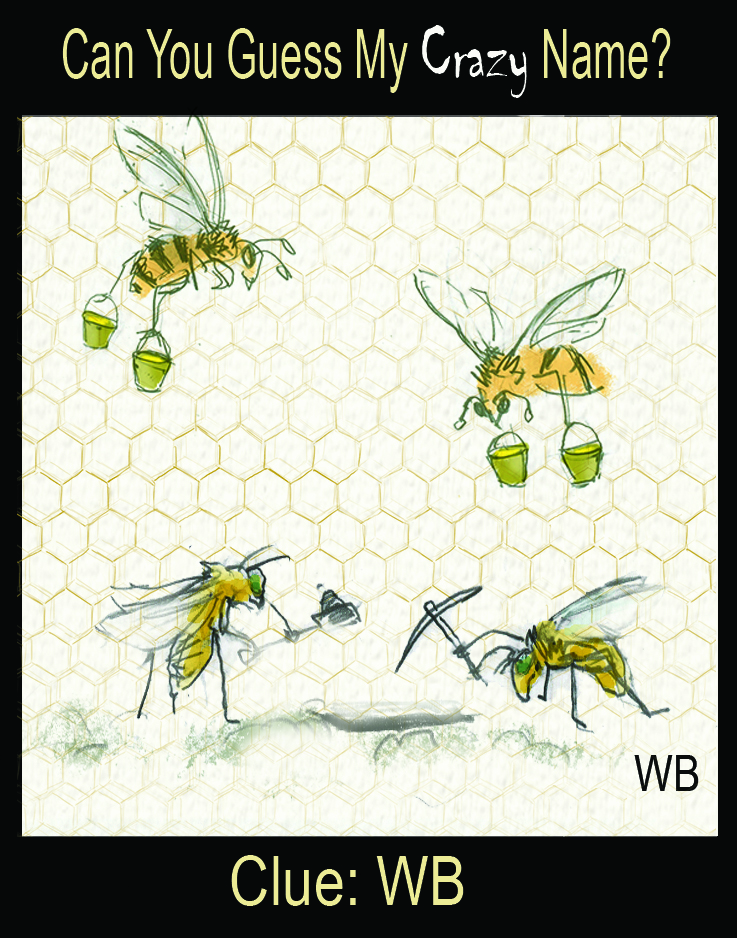
Worker bees are sterile female honeybees that make up 95% to 99% of a colony’s population. While they develop from the exact same type of fertilised eggs as queen bees, a restricted larval diet ensures they do not develop full reproductive capabilities. Instead, their bodies are smaller and highly specialised with structures like pollen baskets on their hind legs and wax-producing glands. A worker bee’s life is defined by temporal polyethism (an age-based division of labour), meaning her job changes predictably as she grows older. [1, 2, 3]

The Lifetime Career Path of a Worker Bee

During the active summer season, a worker bee lives for about 6 to 8 weeks and shifts through a sequence of critical roles: [1, 2]

  • Days 1–2 (Housekeeper): Freshly emerged bees start by cleaning and polishing used cells to prepare them for the queen to lay new eggs. [1, 2]
  • Days 3–11 (Nurse Bee & Queen Attendant): Their hypopharyngeal glands develop, allowing them to produce royal jelly. They feed the developing larvae and tend to the queen’s grooming and nutritional needs. [1, 2, 3, 4]
  • Days 12–17 (Construction Worker & Undertaker): Their abdominal wax glands mature. They secrete wax flakes to build and repair the hexagonal comb. They also carry out dead bees and debris to maintain hive hygiene. [1, 2]
  • Days 18–21 (Guard & Ventilator): They move toward the hive entrance to guard against intruders and fan their wings to control the hive’s temperature and humidity. [1, 2, 3, 4]
  • Days 22 to Death (Forager): In the final phase of life, they leave the hive to gather nectar, pollen, water, and plant sap. They navigate the outside world and communicate rich food locations using the famous waggle dance. [1, 2, 3]

Seasonal Differences & Lifespan

While summer workers literally work themselves to death in a couple of months, bees born in the autumn (“winter bees”) have a vastly altered physiology. They feature enlarged fat bodies and lower hormone levels, allowing them to live for up to 6 months just to keep the cluster warm and ensure the colony survives the winter. [1, 2, 3, 4]

For a comprehensive breakdown of the entire colony structure, you can learn more about the other castes through resources provided by the British Beekeepers Association or explore educational guides on PerfectBee. [1]

Would you like to explore how the queen bee’s pheromones control the workers, or are you interested in how workers can sometimes lay unfertilised eggs if the hive becomes queenless?

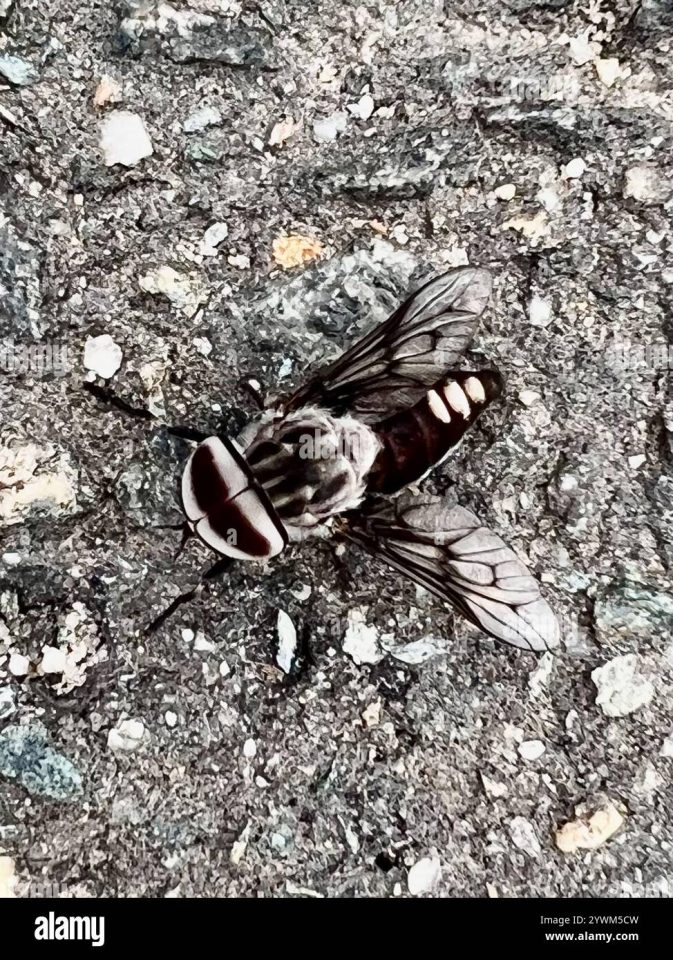
SHF Spotted Horse Fly

Spotted Horse Fly crazy name Julian Williams

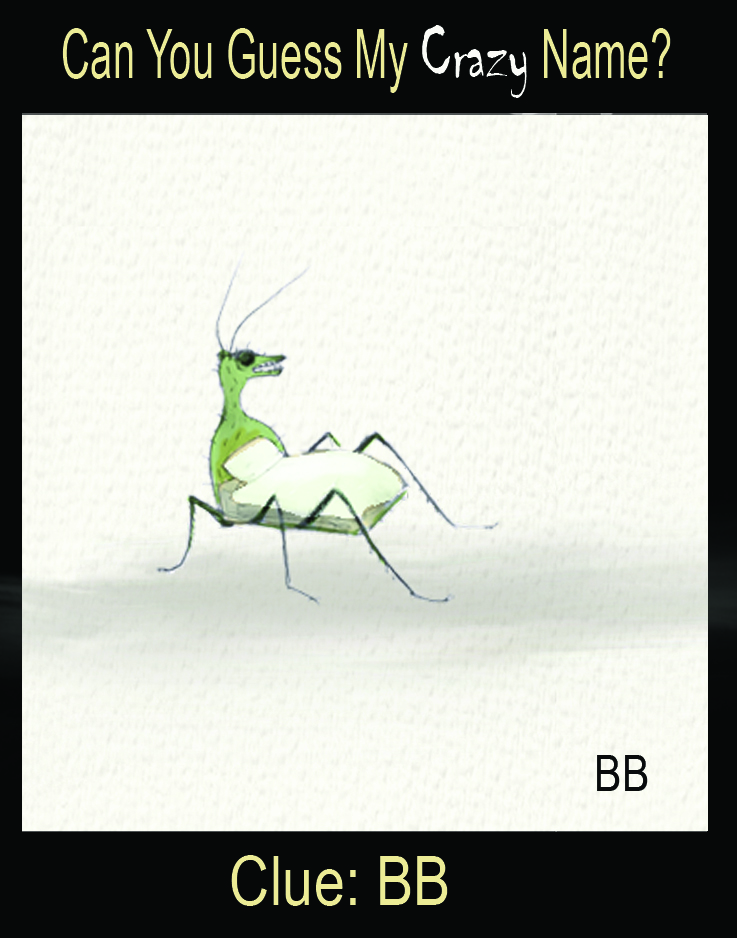
The term “Spotted Horse Fly“ most frequently refers to the White-spotted Horse Fly (Tabanus trimaculatus), a fast, powerful flier belonging to the insect family Tabanidae. [1, 2, 3]

Depending on your region, you might also be looking at the Three-spotted Horse Fly, the Narrow-winged Horse Fly (Tabanus maculicornis), or the heavily patterned Notch-horned Cleg (Haematopota pluvialis). [1, 2, 3]

Key Identification Features

  • Distinct Markings: True to its name, the Tabanus trimaculatus species is easily recognized by three prominent, light white triangles down the centre of its dark abdomen. [1, 2]
  • Eyes: They have large, striking compound eyes. In many related species, these eyes exhibit brilliant iridescent green or coppery tones with distinct purple bands. [1, 2, 3]
  • Size and Wings: They are robust flies, typically presenting clear or lightly smoky wings, though some species in the same family (like Tabanus sulcifrons) feature heavily spotted wing patterns. [1, 2]
Behavior and Diet

  • Who Bites? Only the females bite. They possess sharp, blade-like mandibles that slice the skin to feed on mammalian blood, which provides the necessary nutrients for egg production. [1, 2, 3, 4]
  • Male Behavior: Males do not bite. They lack the mouthparts for feeding on blood and feed exclusively on nectar and plant sugars, making them beneficial pollinators. [1, 2, 3]

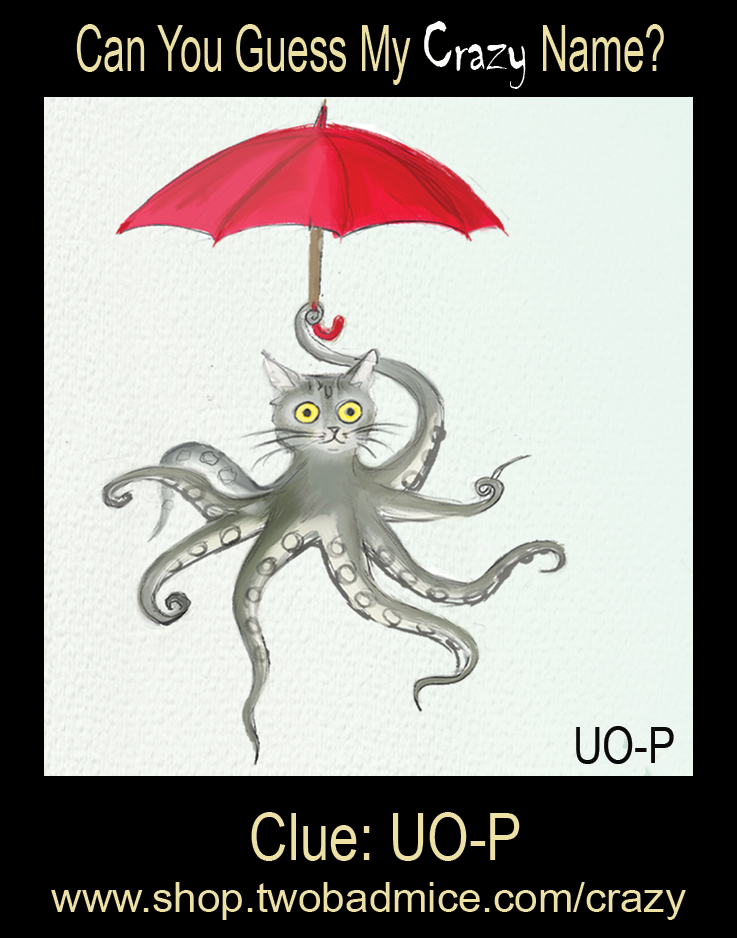
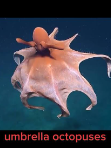
UOP Umbrella Octo-puss

umbrella Octo-puss Crazy names Julian Williams

umbrella octopus

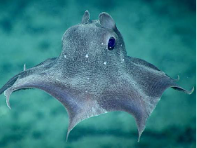
An umbrella octopus is a type of deep-sea cephalopod belonging to the family Opisthoteuthidae. They are best known for a web of skin that stretches between their tentacles, which gives them a distinct, umbrella-like appearance when their arms are fully flared or spread out. [1, 2]

🐙 Fascinating Facts About the Umbrella Octopus

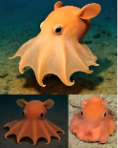
  • The “Dumbo” Connection: The famous Dumbo Octopus (genus Grimpoteuthis) is actually a well-known type of umbrella octopus. They get this nickname from the ear-like fins on top of their heads that resemble Disney’s flying elephant. Another famous family member is the adorable, gelatinous flapjack octopus. [1, 2, 3]
  • Abyssal Dwellers: These creatures live at incredible ocean depths, typically between 1,000 to 4,000 metres (3,300 to 13,000 feet) down in the dark, cold benthic zones of the seafloor. [1, 2, 3]
  • Unique Movement: Unlike shallow-water octopuses that rely heavily on jet propulsion, umbrella octopuses use their ear-like fins to steer and swim. They also pulse their webbed arms in a slow, graceful rhythm that closely mimics the movement of a jellyfish. [1, 2, 3, 4]
  • No Ink Sacs: Because they live in the pitch-black depths of the deep sea where ink wouldn’t serve as an effective visual distraction, umbrella octopuses completely lack ink sacs. [1, 2]
  • Built-in Shield: When threatened, they employ a clever defensive stance. They stretch their webbed arms out as wide as possible and curve the tips downward toward the seafloor, ballooning out like an open umbrella to make themselves look larger and hide from predators. [1]
  • Dietary Quirks: They have a degenerated radula (the scraping “tongue” found in most molluscs), meaning they cannot tear up their food. Instead, they hunt small crustaceans, snails, and worms on the muddy ocean floor and swallow their prey completely whole. [1, 2, 3]

Would you like to know more about a specific species like the Dumbo octopus or the flapjack octopus, or are you curious about how they manage to survive the extreme pressure of the deep ocean?

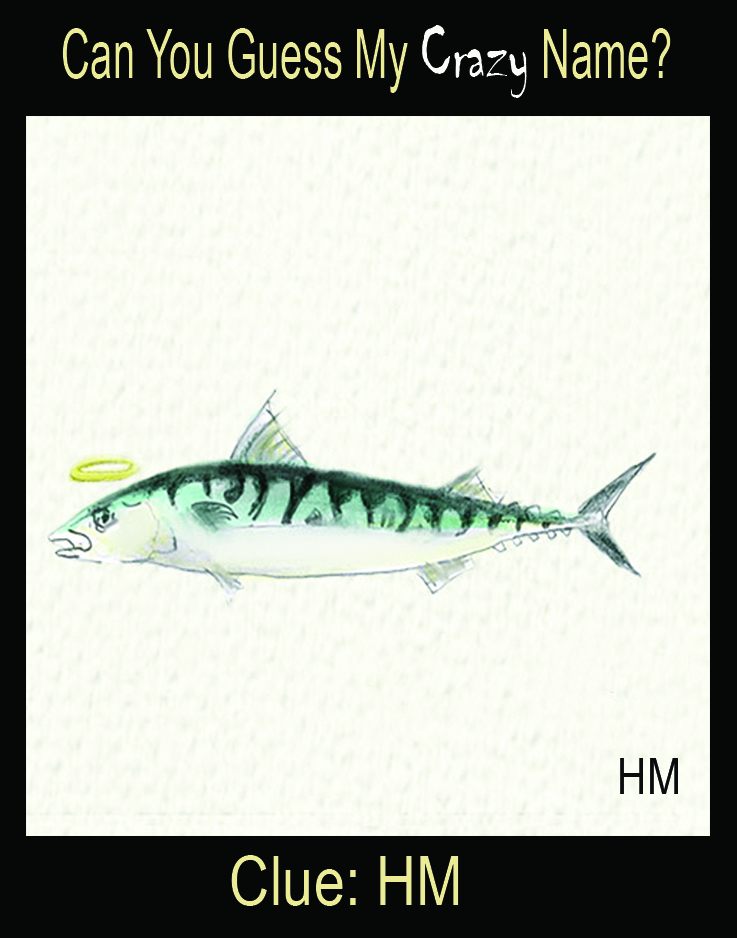
HL Holy Mackerel

holy mackeral

“Holy mackerel” is a common informal exclamation used to express surprise, shock, or impression. [1]

Depending on the context of your query, “Holy Mackerel” can refer to a few different things:

1. The Idiom & Etymology

The expression dates back over 200 years. It is widely considered a euphemistic substitute for a religious oath—specifically replacing “Holy Mary” or “Holy Mother of God” with an “M” word to avoid blasphemy. [1, 2]

  • The Fish Connection: The choice of “mackerel” likely stems from the historical practice of Catholics eating fish on Fridays. Because mackerel was cheap and widely available, it became a cultural shorthand or stereotype for these fasting days. [1, 2]
  • Sunday Sales: Another historical theory links it to 17th-century laws allowing mackerel to be sold on Sundays because the fish spoiled so quickly, leading people to refer to it as a “holy fish”. [1]

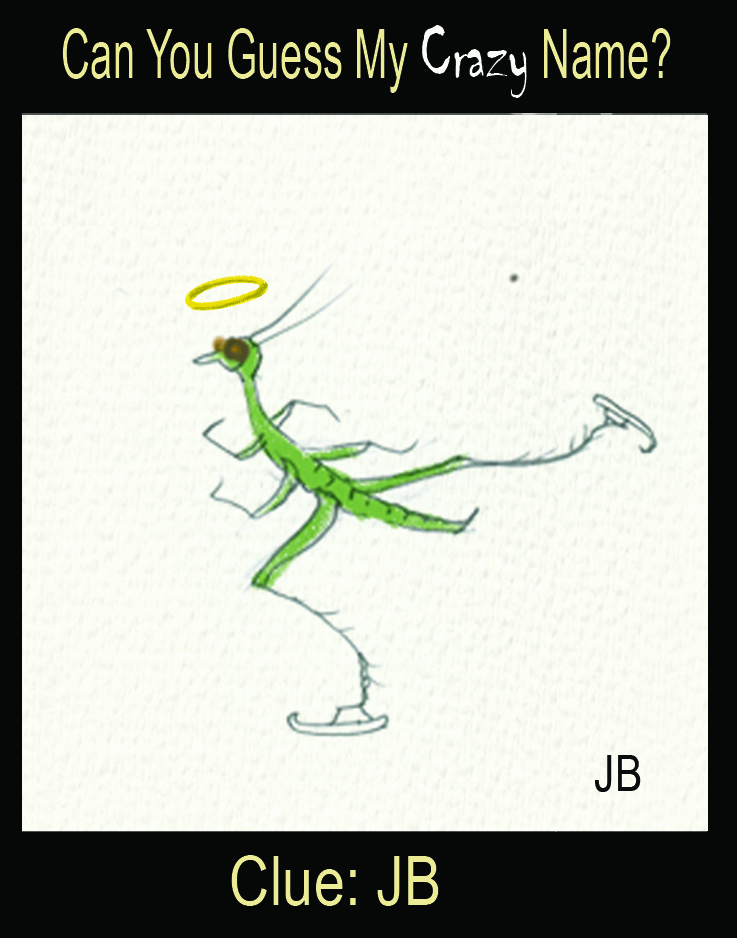
JB Jesus Bug

JB Jesus Bug

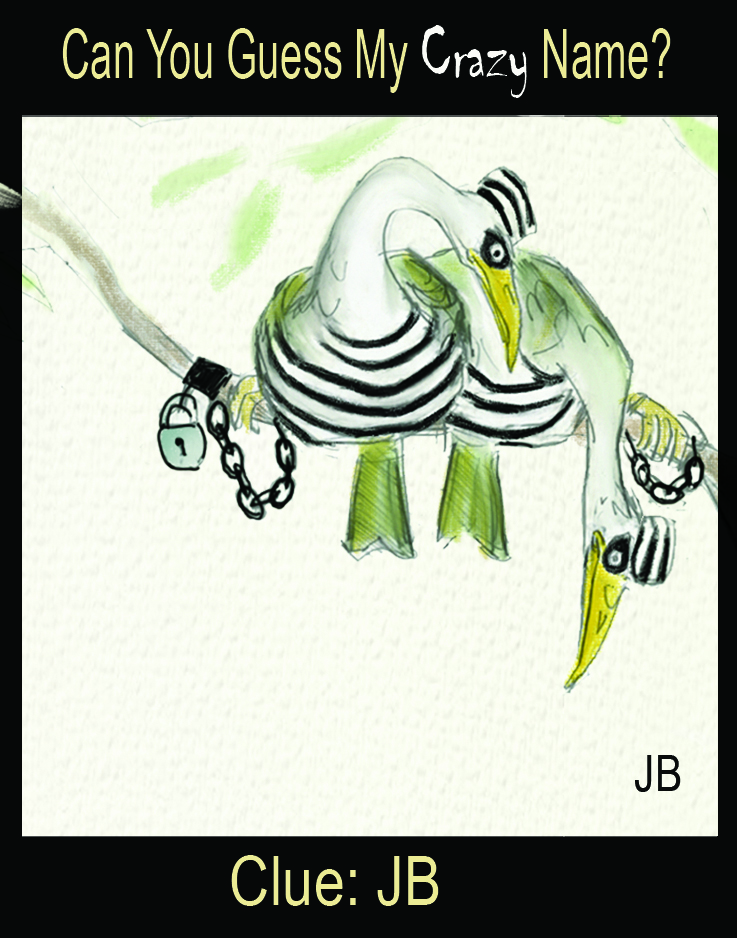
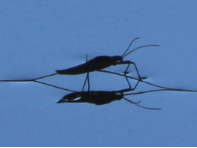
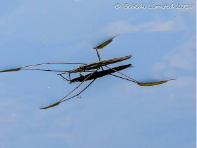
“Jesus bug” is a common nickname for the water strider, an insect belonging to the family Gerridae. It earned this colloquial name—particularly in the southern United States—due to its distinct ability to walk and skate across the surface of water, referencing the biblical story of Jesus walking on water. [1, 2, 3, 4, 5]

Depending on where you live, these freshwater insects are also frequently referred to as pond skaters, water skippers, water skeeters, or water scooters. [1, 2]

How Do They Walk on Water?

Water striders do not actually sink or break the water’s surface, relying on two key biological adaptations: [1, 2]

  • Hydrophobic Hairs: Their long, slender legs are entirely covered in thousands of microscopic, water-repellent hairs called hydrofuge hairpiles. These hairs trap a thin cushion of air, preventing the insect from getting wet. [1, 2, 3]
  • Weight Distribution: Their elongated body shape and widely splayed legs distribute their body weight across a broad surface area. This allows them to stay afloat purely on the water’s surface tension, dimpling the surface without breaking through it. [1, 2, 3, 4]

Behavior and Ecology

  • Movement: They can zip across still lakes, creeks, and backyard ponds at speeds reaching up to 1 metre per second. They use their middle legs like oars to propel themselves forward, while their back legs act as rudders for steering. [1, 2, 3]
  • Diet: As predators, they use their short front legs to grab small insects that accidentally fall onto the water’s surface. They are highly sensitive to surface vibrations, allowing them to track struggling prey. They feed using piercing-sucking mouthparts to inject salivary enzymes and dissolve their prey from the inside out. [1, 2, 3]
  • Mating Battles: Evolutionary biologists frequently study Gerridae due to an ongoing evolutionary “arms race” between sexes. Because females try to resist frequent mating to protect themselves, males in several species have evolved specialized hooks on their legs or antennae to firmly clamp onto females during the reproductive season

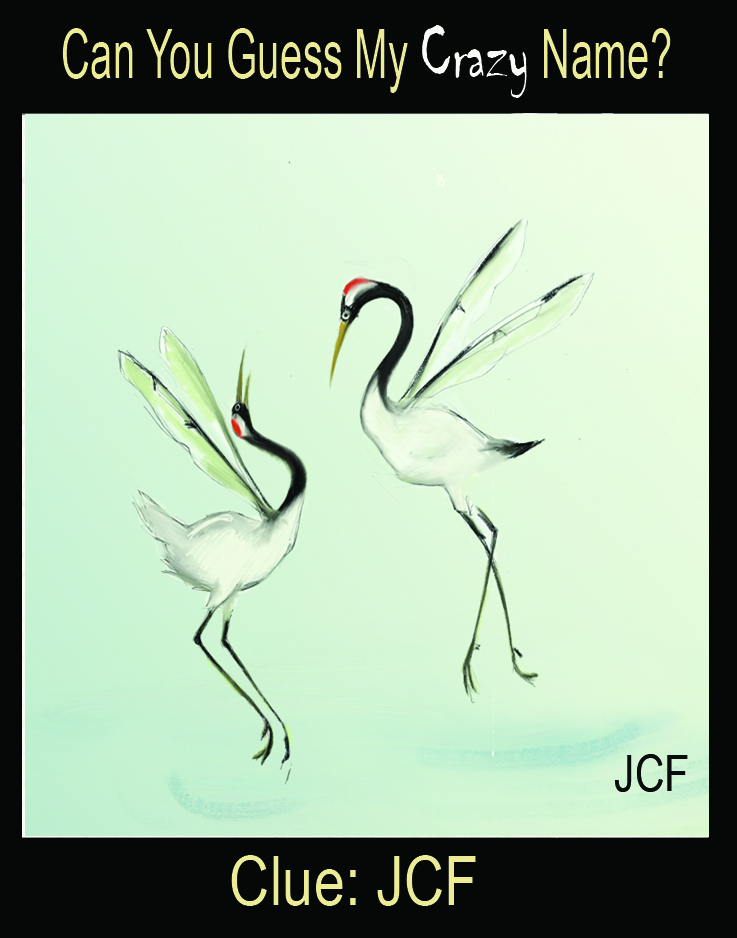
JFC Japanese Crane Fly

JFC Japanese Crane Fly crazy names
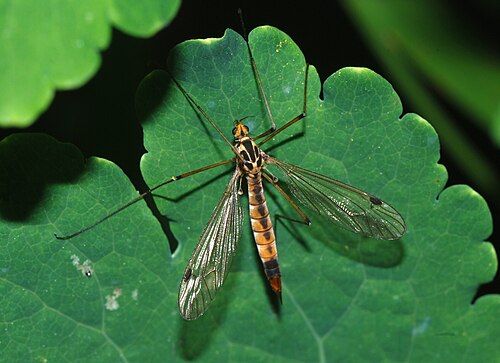
The common Japanese crane fly (known locally as Kiriuji gaganbo or scientifically as Tipula aino) is a slender, long-legged insect found abundantly throughout Japan. Though they are frequently mistaken for giant mosquitoes or spiders, these insects are completely harmless to humans. Key Characteristics • Appearance: They have light-brown bodies (14–18 mm in length), a distinct black rim around their wings, and long dangling legs. • The "Daddy Longlegs" Anatomy: Because they are true flies, they possess only one pair of wings. Where hind wings would normally be, they have pin-shaped structures called halteres, which act like gyroscopes to help them balance while flying. Their fragile legs break off easily as a natural defense mechanism. • Habitats: They are highly visible twice a year (from March to June and September to November) near rice fields, farms, and freshwater ponds all over Japan. The Giant of Japan: The Mikado Crane Fly While the standard crane fly is small, Japan is also home to Holorusia mikado (the Mikado crane fly), which is the world's largest mosquito-like insect. • Size: It can reach an impressive wingspan of up to 11 cm (with a body width often stretching around 8 cm). • Behavior: Despite its intimidating, monstrous proportions, it has no stinger, lacks the mouthparts to bite, and cannot feed on blood. It lives a very brief adult life dedicated purely to mating, occasionally drinking nectar or plant fluids.

The common Japanese crane fly (known locally as Kiriuji gaganbo or scientifically as Tipula aino) is a slender, long-legged insect found abundantly throughout Japan. Though they are frequently mistaken for giant mosquitoes or spiders, these insects are completely harmless to humans. [1, 2, 3]

Key Characteristics

  • Appearance: They have light-brown bodies (14–18 mm in length), a distinct black rim around their wings, and long dangling legs. [1]
  • The “Daddy Longlegs” Anatomy: Because they are true flies, they possess only one pair of wings. Where hind wings would normally be, they have pin-shaped structures called halteres, which act like gyroscopes to help them balance while flying. Their fragile legs break off easily as a natural defense mechanism. [1]
  • Habitats: They are highly visible twice a year (from March to June and September to November) near rice fields, farms, and freshwater ponds all over Japan. [1]

The Giant of Japan: The Mikado Crane Fly

While the standard crane fly is small, Japan is also home to Holorusia mikado (the Mikado crane fly), which is the world’s largest mosquito-like insect. [1]

  • Size: It can reach an impressive wingspan of up to 11 cm (with a body width often stretching around 8 cm).
  • Behavior: Despite its intimidating, monstrous proportions, it has no stinger, lacks the mouthparts to bite, and cannot feed on blood. It lives a very brief adult life dedicated purely to mating, occasionally drinking nectar or plant fluids. [1, 2, 3]

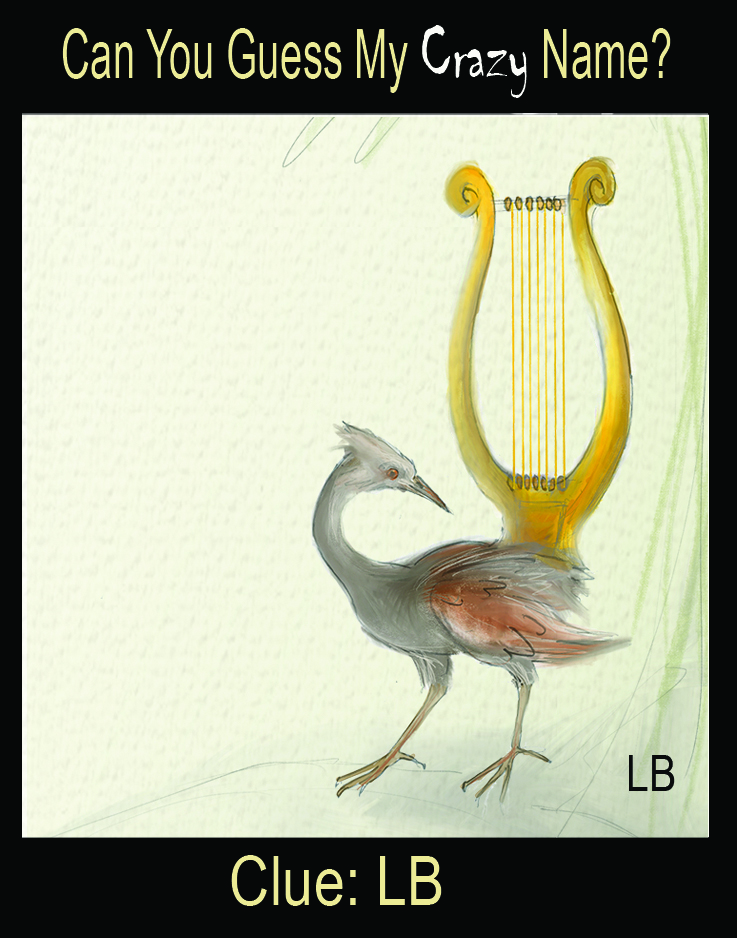
LB Lyre Bird

Lyre Bird crazy names Julian Williams

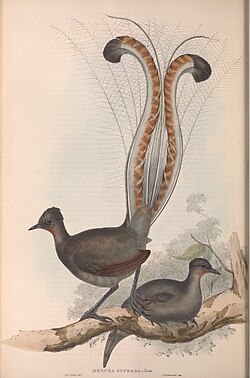
The lyrebird is an ancient genus of ground-dwelling Australian songbirds renowned for their unparalleled ability to mimic natural and mechanical sounds. Belonging to the family Menuridae and genus Menura, they are native to the rainforests and wet woodlands of southeastern Australia. [1, 2, 3]

The Two Species

  • Superb Lyrebird (Menura novaehollandiae): The most famous and widely distributed species. Males feature the spectacular, 16-plume tail that fans over the head during courtship displays, taking the distinct shape of an ancient Greek musical instrument called a lyre. [1, 2, 3]
  • Albert’s Lyrebird (Menura alberti): A less common and much less showy species restricted to a small area of rainforest on the border of New South Wales and Queensland. [1]

Key Characteristics

FeatureDescription
Vocal MimicryEquipped with a highly evolved syrinx (vocal organ), they flawlessly replicate other bird species, forest mammals, and human sounds like chainsaws, car alarms, camera shutters, and crying babies.
Physical DisplayDuring courtship, males construct small mounds of dirt, clear a stage, and perform an intricate song-and-dance routine, shimmering their ornate tail feathers forward like a canopy over their head.
Diet & ForagingThey are ground-dwelling insectivores. Using large, powerful claws, they scratch through leaf litter to dig up earthworms, beetles, spiders, and other invertebrates.
Flight HabitsLyrebirds are predominantly terrestrial and poor fliers. They generally run to escape danger or scale trees by leaping upwards from branch to branch.

For more specific information, you can read the comprehensive overview on the Wikipedia Lyrebird Entry.

Lyre Bird Crazy Names

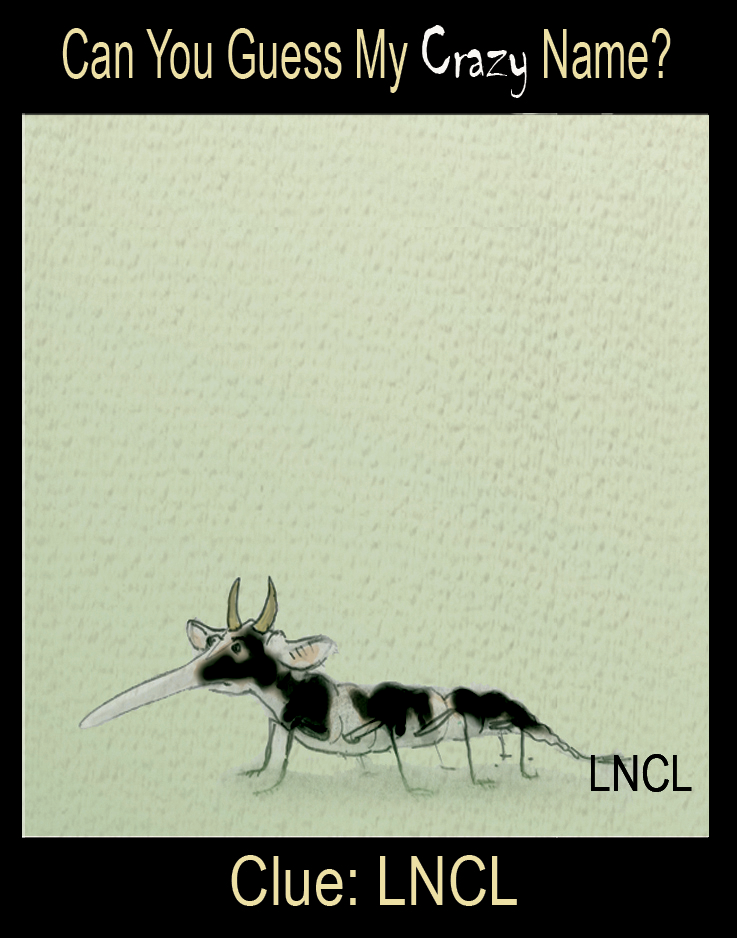
LNCL Long Nosed Cattle Louse

The long-nosed cattle louse (Linognathus vituli) is a bluish-black blood-sucking parasite measuring about 2.5 mm long with a slender, elongated head. It commonly infests calves and dairy cattle, gathering in clusters on the dewlap, shoulders, neck, and withers. [1, 2, 3]

Physical Description & Identification

  • Size: Females measure roughly 2.4 mm, while males are smaller at about 1.8 mm.
  • Appearance: Dark bluish-black body with a head that is twice as long as it is broad.
  • Classification: It is an obligate sucking louse that pierces the skin to feed on host blood. [1, 2, 3]

Life Cycle & Behavior

  • Eggs: Females glue individual white-to-light-brown eggs (nits) directly onto hair shafts, laying roughly one egg per day.
  • Development: Eggs hatch in about 7 to 10 days, and the entire cycle from egg to egg-laying adult takes around 3 to 4 weeks.
  • Seasonality: Populations surge during late fall and winter when cattle grow thick coats and crowd together. [1, 2, 3, 4, 5, 6, 7]

Impact on Cattle

  • Irritation: Heavy infestations cause intense itching, leading animals to rub against posts or lick themselves excessively, which results in hair loss. [1, 2]
  • Anemia & Growth Loss: Severe blood loss can cause anemia, lower weight gains in

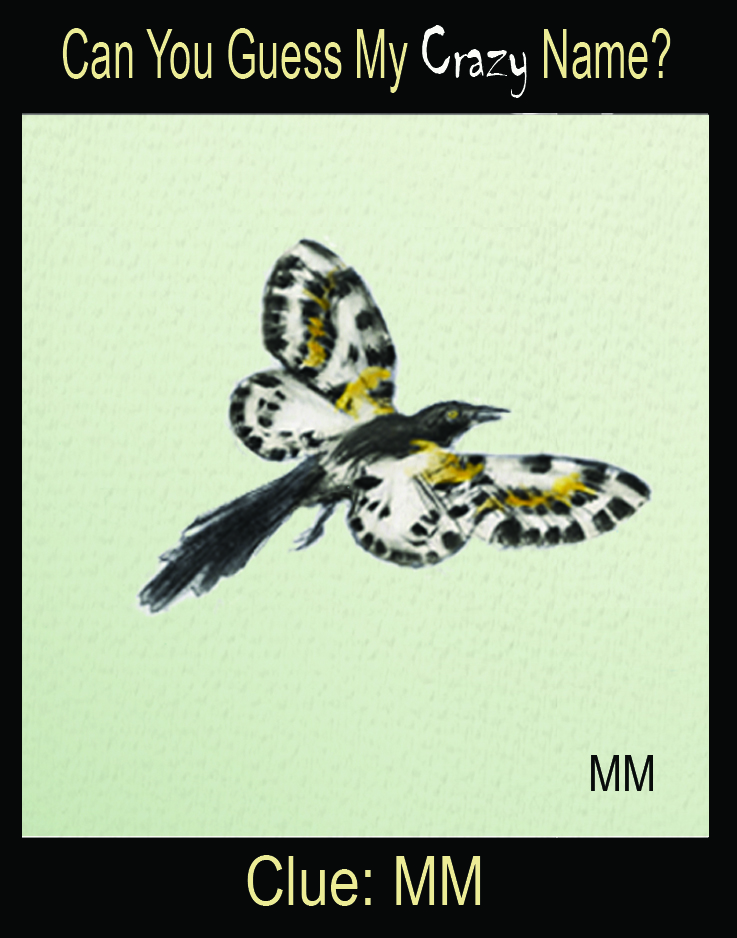
MM Magpie Moth

Magpie Moth

AI Mode conversation: magpie moth

magpie moth

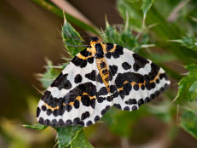
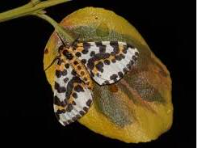
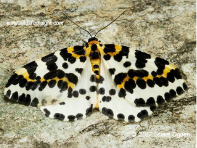
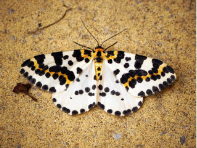
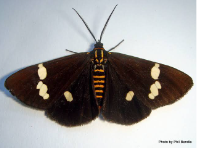
The magpie moth (Abraxas grossulariata) is a distinctive, medium-sized geometer moth native to the Palearctic realm and North America. It is well-known for its butterfly-like appearance and striking warning colours. [1, 2]

🦋 Appearance & Identification

  • Wings: The wings are predominantly white, patterned with rows of prominent black spots and rows of bright yellow-orange cross-bands. They have a typical wingspan of 35–50 mm. [1, 2, 3]
  • Body: The body features a bold yellow and black striped pattern. [1]
  • Toxicity: Its flashy, high-contrast markings serve as an aposematic (warning) signal to predators that the moth is highly distasteful and toxic. While birds generally avoid them, web-building spiders that accidentally snare them will quickly cut them free and discard them. [1]

🌿 Habitat & Lifecycle

  • Distribution: They are widespread across the UK, Europe, and parts of Asia.
  • Habitat: Commonly found in gardens, allotments, hedgerows, woodlands, and heather moorlands.
  • Flight Period: Adults are on the wing primarily during the summer months of July and August and are readily attracted to light sources at night.
  • Caterpillars: The caterpillars match the adults in their bold white, black, and orange colour scheme. They overwinter on host plants from late August through June before pupating in late spring.
  • Diet: Their primary food plants include currants and gooseberries (Ribes species)—earning them a historical reputation as garden pests—as well as blackthorn, hawthorn, hazel, and privet. [1, 2, 3, 4, 5]

🔍 Similar Species: The Small Magpie

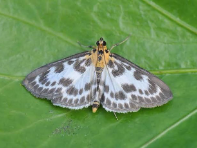
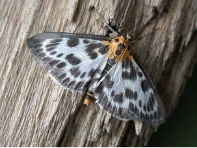
It is frequently confused with the small magpie moth (Anania hortulata). However, they belong to entirely different families: [1, 2]

  • The Small Magpie is noticeably smaller (24–28 mm wingspan).
  • It lacks the yellow bands on its wings, possessing yellow only on its head and thorax.
  • Its caterpillars feed almost exclusively on common nettles rather than woody shrubs. [1, 2]

To explore more about this species, you can check data maps and records via the Butterfly Conservation Magpie Profile or learn about its regional ecology on The Wildlife Trusts.

Magpie Moth

Mad Hatterpillar

Mad Hatterpillar crazy Name Julian Williams
Mad Hatterpillar

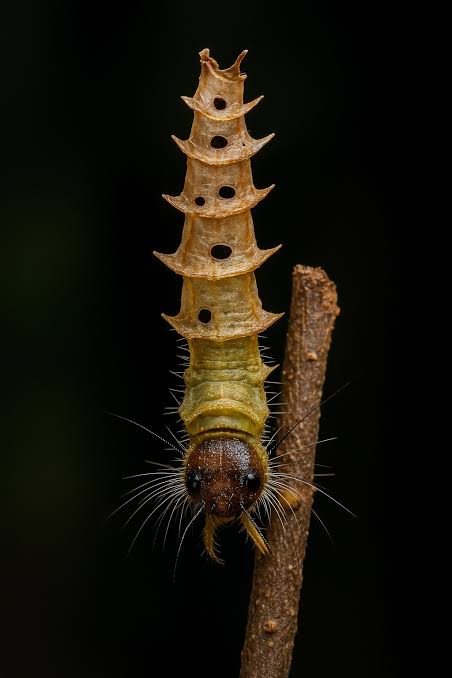
The “mad hatterpillar“ is the popular nickname for Uraba lugens (commonly known as the gum-leaf skeletoniser), a small moth larva native to Australia and New Zealand. It earned its whimsical title because it wears a towering “hat” made out of its own discarded heads. [1, 2, 3]

How the “Hat” is Built

Like all caterpillars, Uraba lugens must regularly molt (shed its exoskeleton) to grow. However, while it discards the rest of its body skin, the empty head capsules from its previous life stages remain stacked precariously on top of its new, larger head. [1, 2, 3]

  • The Progression: The caterpillar typically molts up to 13 times. The headpiece begins building around the fourth molt. Because each successive head is larger than the last, the stack tapers upward from largest to smallest, resembling a conical crown or an elaborate fascinator. [1, 2]

The Purpose of the Head Stack

This bizarre millinery is actually a vital evolutionary defense mechanism. Rather than being a useless fashion statement, the stack of old skulls serves two key purposes: [1, 2]

  1. Weapon and Shield: When threatened by predators like spiders or stink bugs, the caterpillar uses the heavy stack to physically bat attackers away. [1, 2]
  2. Decoy Target: The empty head shells act as a false target. Predators waste energy and time attacking the hollow, lifeless head capsules instead of the caterpillar’s actual face, buying the insect time to escape. A study found that attacks on larvae with intact head stacks took over 10 times longer than on those with the stacks removed. [1, 2]

Diet and Ecological Impact

The caterpillar is a ferocious eater of eucalyptus leaves. It gets its other common name—the gum-leaf skeletoniser—from its habit of eating the soft tissue of the leaves down to the bare veins, leaving a translucent “skeleton” behind. During high-population cycles, these caterpillars can strip entire stands of trees and are considered a major forestry pest. [1, 2, 3, 4]

The striking appearance of this insect continues to captivate the public and researchers alike, even winning a category in the prestigious Wildlife Photographer of the Year 2025 competition

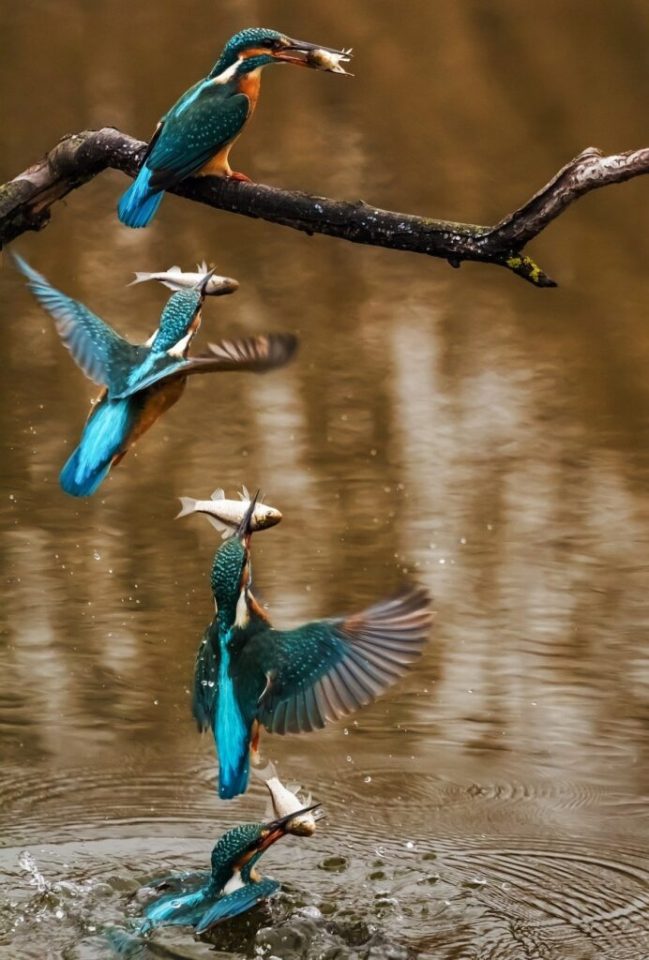
Kingfisher

Crazy Name Kingfisher Julian Williams
kingfisher - my crazy name

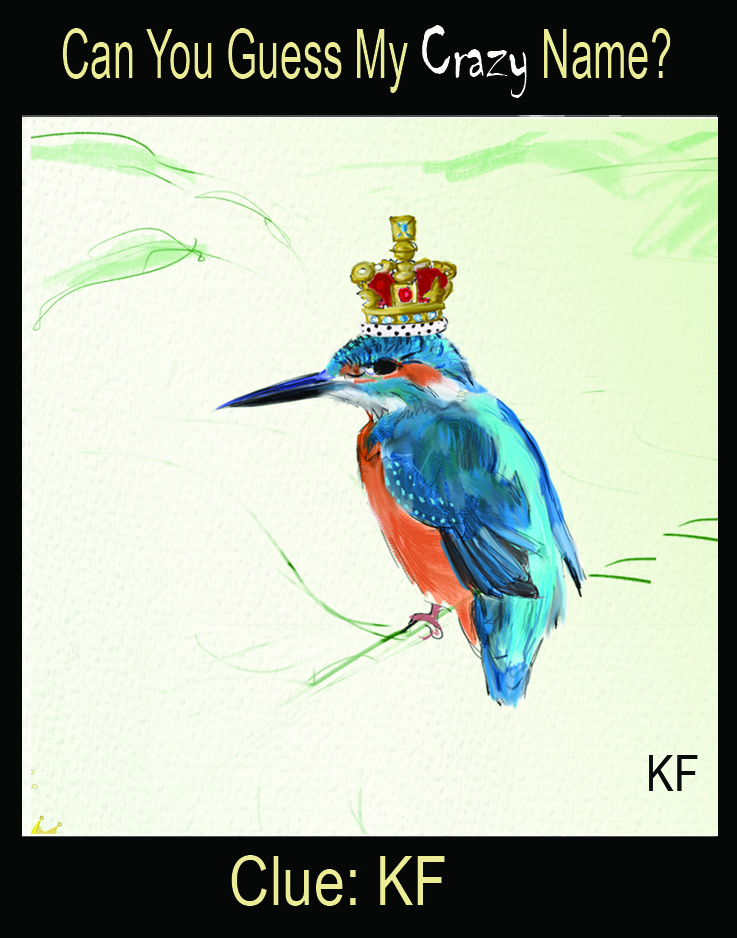
Kingfishers are a family of small to medium-sized, brightly coloured birds known for their long, sharp bills and exceptional fishing skills.

  • Diet: While many species dive into the water to catch fish, others eat insects, amphibians, and small reptiles.
  • Key Species: Well-known varieties include the Common Kingfisher, the Belted Kingfisher, and the Australian Kookaburra.

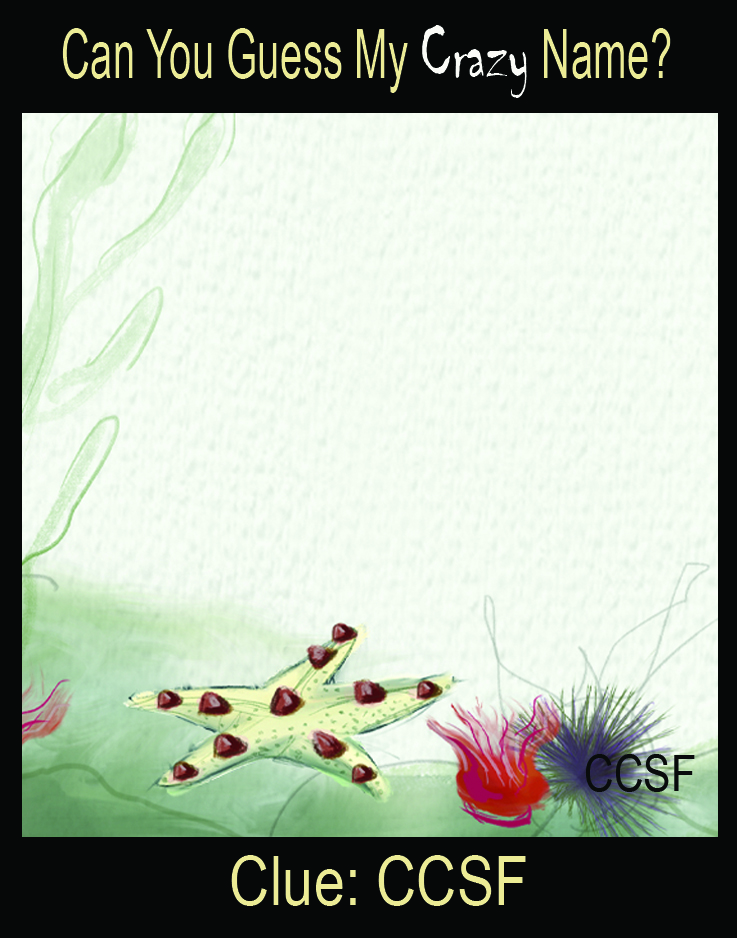
CCSF Chocolate Chip Star Fish

chocolate Chip Star Fish Julian Williams crazy names
chocolate Chip Star Fish

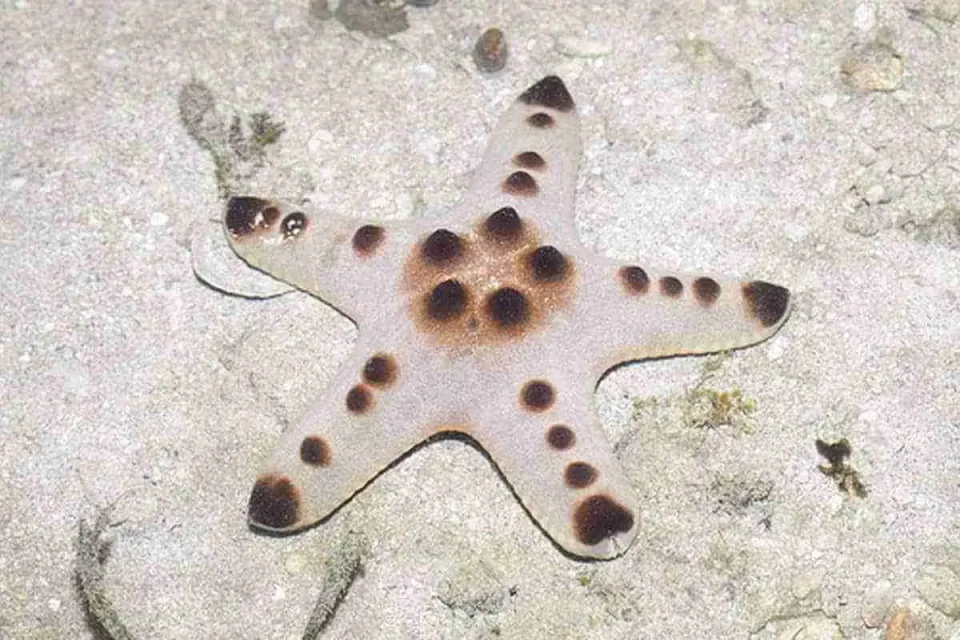
The chocolate chip starfish (primarily Protoreaster nodosus, also known as the horned sea star) is a distinctive marine invertebrate named for the dark, cone-shaped spines on its back that look remarkably like chocolate chips on a cookie. Native to the warm, shallow waters of the Indo-Pacific region, these slow-moving echinoderms are popular in the home aquarium hobby but require highly specific care. [1, 2, 3, 4, 5]

Watch this chocolate chip sea star move across the sand using its specialized anatomy:

Instagram · NC Aquarium on Roanoke Island

Key Characteristics & Quick Facts

  • Natural Defense: The dark “chocolate chips” are actually hardened calcium carbonate spines designed to deter predators by making the sea star look dangerous or difficult to swallow. [1, 2]
  • Movement: They navigate sandy substrates and rocks using hundreds of fluid-filled, tiny tube feet located on their oral (underside) surface. [1]
  • Regeneration: If a chocolate chip starfish is attacked and loses an arm, it has the incredible ability to completely regenerate the missing limb over time. [1, 2]
  • Wild Diet & Feeding: They are opportunistic scavengers and carnivores. To eat, they push their stomach completely outside of their body to coat and digest their food externally before pulling it back inside. [1]

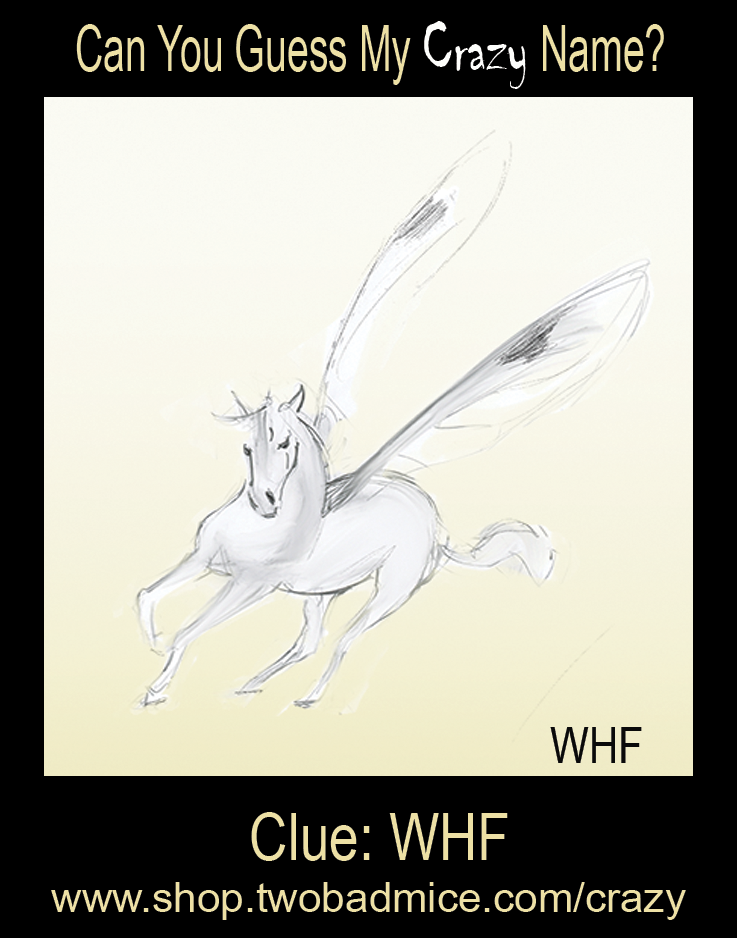
WHF : White Horse Fly

White Horse Fly - my crazy name Julian Williams
white horse fly

The term white horse fly usually refers to specific pale-coloured species of biting flies within the insect family Tabanidae, or it can relate to the fascinating biological relationship between horseflies and white-coated horses. [1]

1. Notable “White” Horsefly Species

While most horseflies are dark brown or black, a few distinct species are known for their pale, white, or gray appearance: [1]

  • The White Horsefly (Stenotabanus psammophilus): A distinctly pale, whitish horsefly primarily found in coastal, sandy beach environments where its coloration serves as camouflage against the sand.
  • White-arrowed Horse Fly (Hybomitra sodalis): A North American species of horse fly characterized by distinctive white triangular markings on its abdomen. [1]
  • Leucotabanus annulatus: Another horsefly species featuring prominent white bands or rings across its body segments.

2. Why White Horses Have an Advantage

In biology, there is a famous correlation between horse colour and fly behaviour. Studies have shown that white horses are significantly less attractive to horseflies than dark-coated horses.

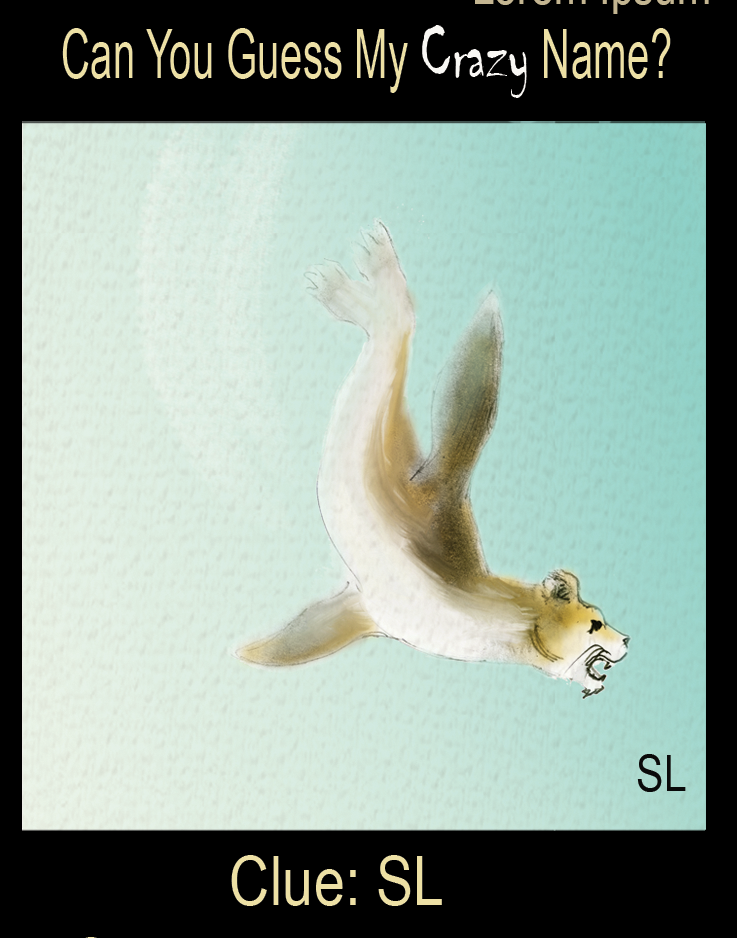
Sea Lion

sea lion guess my crazy name Julian Williams art

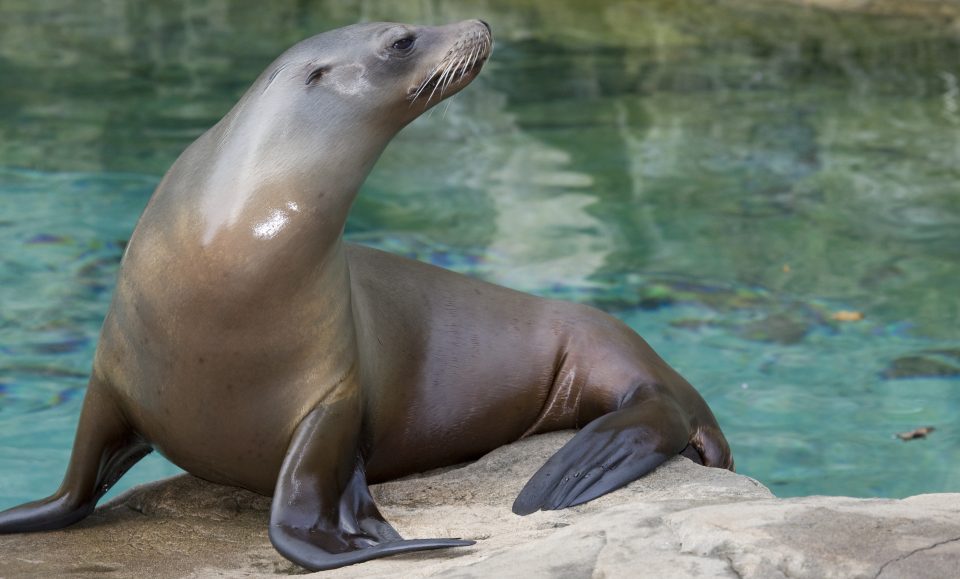
Sea lions are highly intelligent, playful, and noisy marine mammals belonging to the eared seal family, Otariidae. Found across the globe—from subarctic to tropical waters, with the notable exception of the Northern Atlantic Ocean—they are expertly adapted for a life alternating between long ocean swims and resting on rocky coastlines. [1, 2, 3, 4]

Key Characteristics & Adaptations

  • Physical Attributes: They feature streamlined bodies, a blunt snout, a small tail, and short, coarse fur ranging from golden to dark brown. [1, 2, 3]
  • Size Differences: They show extreme sexual dimorphism. Depending on the species, they range from the small Galápagos sea lion at 5 feet long up to the massive Steller sea lion which can exceed 10 feet and weigh up to 2,200 lbs (1,000 kg). Males are significantly larger and often develop a thick, protective mane around their necks. [1, 2, 3]
  • Aquatic Prowess: They can dive to depths of over 200 metres to hunt and use their powerful front flippers to “fly” through the water at speeds up to 25–30 mph. Sensitive whiskers (vibrissae) help them pinpoint prey like fish, squid, and crustaceans in pitch-black waters. [1, 2, 3, 4, 5]
  • Social Behaviour: Highly gregarious, they live in massive colonies on beaches or rocky shores. They communicate constantly using loud, distinctive barks, honks, and growls. [1, 2, 3]

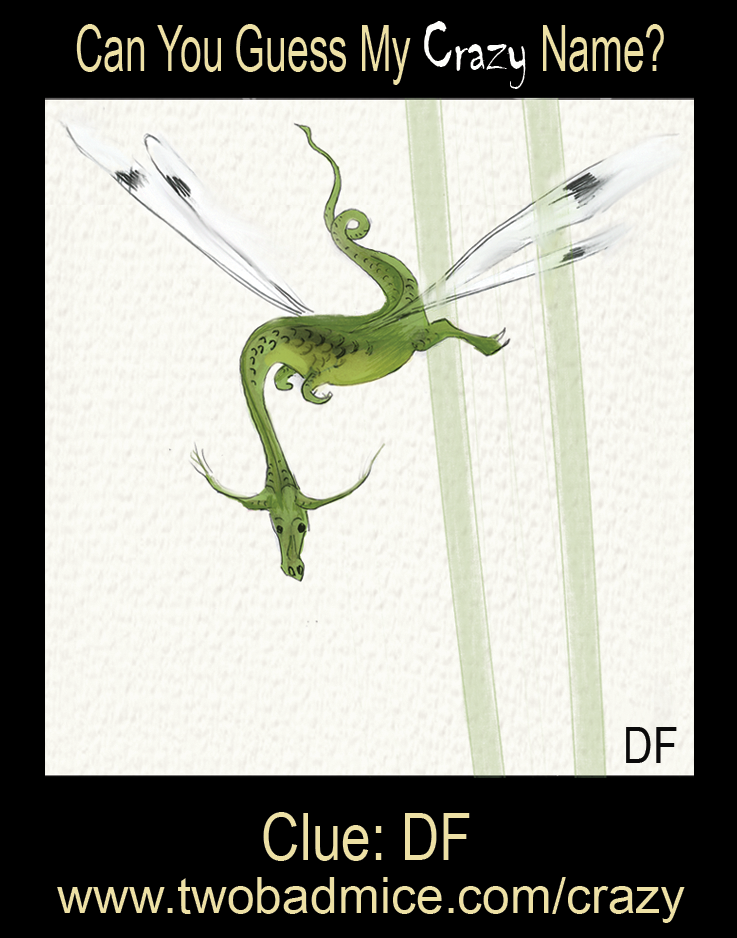
Dragon Fly

dragon fly Julian Williams art

A dragonfly is a fast-flying, predatory insect belonging to the infraorder Anisoptera, known for its four transparent, independent wings and massive compound eyes that provide nearly 360-degree vision. They are among the world’s most successful hunters, with a capture rate of up to 97%. [1, 2]

Key Characteristics

  • Aerial Predators: They hunt other flying insects like mosquitoes, flies, and even smaller dragonflies in mid-air.
  • Exceptional Vision: Their eyes are composed of up to 30,000 individual lenses (ommatidia), allowing them to see in high-definition and detect movements far faster than humans.
  • Fast & Agile: Some species can reach speeds of 30–36 mph. They can fly in six directions—up, down, forward, backward, and side-to-side—and even hover.
  • Ancient Origins: They have existed for over 300 million years, predating dinosaurs. Prehistoric ancestors had wingspans as wide as 75 cm (2.5 feet). [1, 2, 3, 4, 5]

Dragonfly vs. Damselfly

While often confused, they can be distinguished by these features:

  • Resting Posture: Dragonflies hold their wings out horizontally (like an airplane), whereas most damselflies fold them closed along their backs.
  • Eye Position: Dragonfly eyes are huge and usually touch at the top of the head; damselfly eyes are smaller and separated.
  • Body Shape: Dragonflies have shorter, bulkier bodies; damselflies are much thinner and more delicate. [1, 2, 3, 4, 5]

Life Cycle

Dragonflies undergo incomplete metamorphosis (no pupal stage): [1, 2]

  1. Egg: Laid in or near water.
  2. Nymph (Naiad): The aquatic larval stage can last from several months to five years. They are fierce underwater predators that breathe through gills in their rectum.
  3. Adult: The winged adult lives for only a few weeks to months, focusing primarily on mating and laying eggs. [1, 2, 3, 4, 5, 6]

Would you like to know which specific species are common in your area, or are you interested in how to attract them to a garden pond?

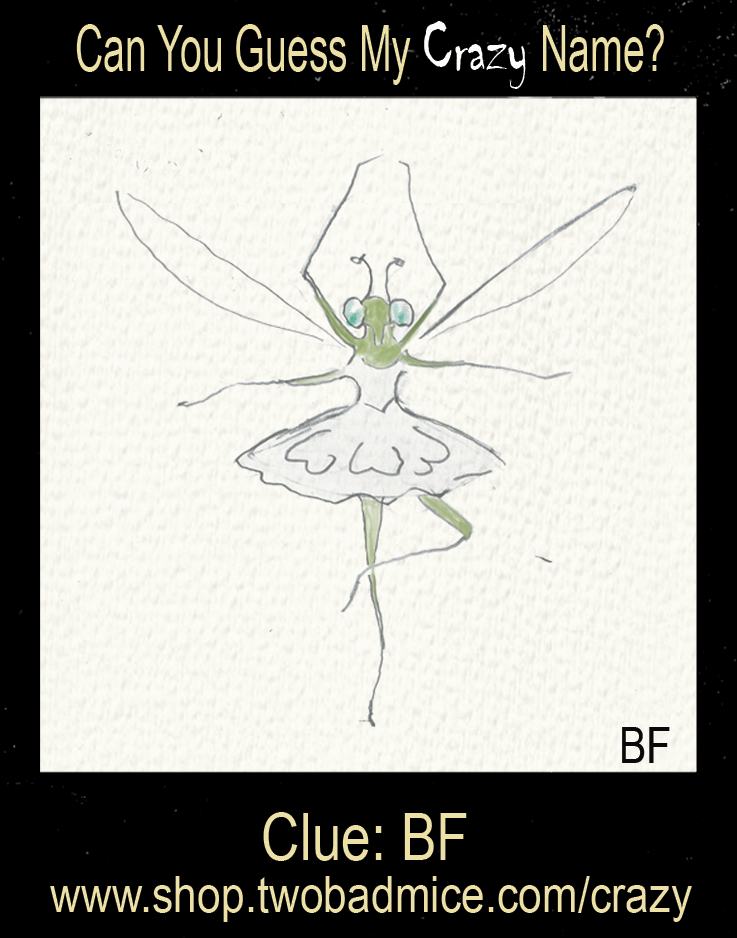
Ballerina Fly (Dance and Balloon Flies)

ballerina Fly guess my crazy name Julian Williams

Dance Flies are sometimes called ballerinas or Ballerina flies.

“Dance fly” is the primary name for a family of insects known for their intricate mating rituals.

However, “Ballerina” is often used as a creative term for these same insects.

The Dance Fly (Insect)Members of the family Empididae are commonly called dance flies because of the way males gather in swarms and fly up and down in a rhythmic, dance-like motion to attract mates.

Courtship Gifts: In many species, the male must bring a “wedding gift”—usually a smaller insect—to the female to initiate mating.

Balloon Flies: Some are also known as balloon flies because they wrap their prey in a silk ball before presenting it. Ballerina Reference: Some observers informally refer to them as “black dancing ballerinas” due to their graceful aerial movements.

Deer Fly

Deer flies (genus Chrysops) are small to medium-sized biting insects in the horse fly family (Tabanidae) that are notorious for their aggressive behavior and painful, persistent bites. Unlike many other insects, they primarily hunt by sight and are attracted to movement, dark colors (especially blue), and carbon dioxide. [1, 2, 3, 4, 5]

Key Characteristics & Identification

  • Appearance: They are roughly 0.25 to 0.33 inches long (smaller than horse flies) with yellowish-brown to black bodies.
  • Wings: Their wings are distinctive, usually clear with prominent dark bands or patches.
  • Eyes: They possess large, often brightly colored or iridescent eyes, frequently featuring gold, green, or purple patterns.
  • Antennae: Their antennae are longer than their head, a key feature that distinguishes them from shorter-antennaed horse flies. [1, 2, 3, 4, 5, 6]

Biting Behavior

Only the female deer fly bites, as she requires the protein from blood to develop her eggs. Males feed solely on nectar and pollen. [1, 2, 3, 4]

The Bite: They use scissor-like mouthparts to slash the skin and then lap up the

Black Eared Cat Bird

The Black-eared Catbird (Ailuroedus melanotis) is a striking emerald-green bowerbird found in the rainforests of New Guinea and northern Queensland, Australia. It is named for its distinctive black ear patch and its vocalizations, which sound remarkably like a cat’s wailing or yowling. [1, 2, 3, 4]

Key Characteristics

  • Appearance: It has bright green upperparts, a thick ivory-colored bill with a hooked tip, and dark red eyes. Its underparts are typically pale green or olive with heavy scalloping or spotting.
  • Behavior: Unlike most bowerbirds, catbirds do not build elaborate bowers to attract mates. They are monogamous and build simple cup-shaped nests.
  • Diet: They primarily forage for fruit and large arthropods in the middle and upper stories of the rainforest canopy. [1, 2, 3, 4, 5]

Bed Bugs

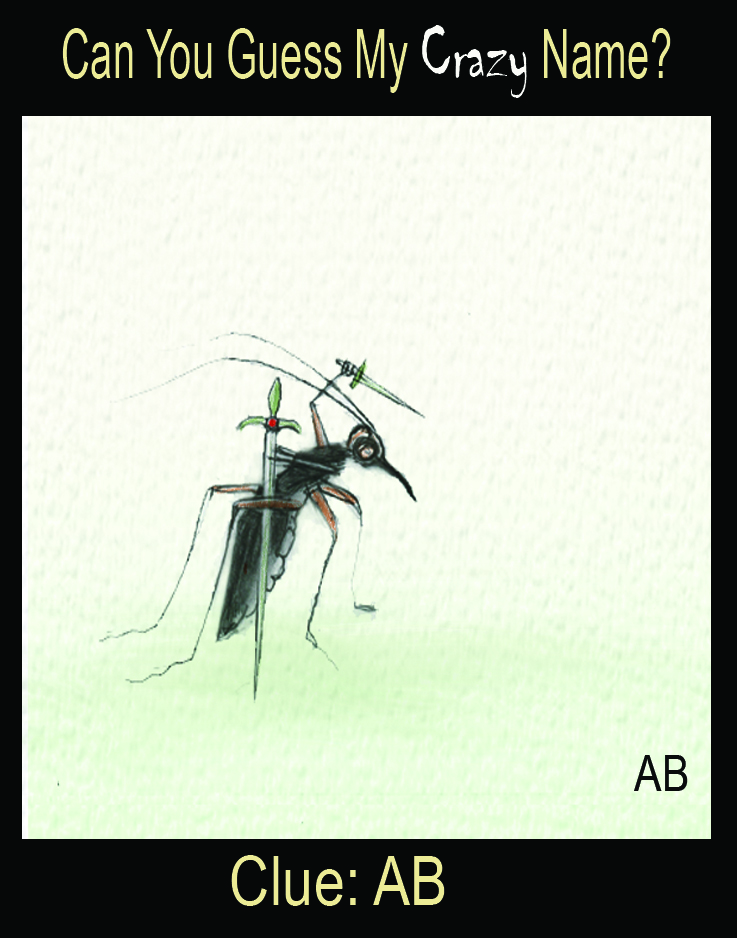
Bed Bugs: These ugly little beasts are small, reddish-brown, wingless insects that feed on human and animal blood. About the size of an apple seed (4–7mm), they have flat, oval bodies that swell and turn a deeper red after feeding. While they do not spread infectious diseases, their bites can cause intense itching, rashes, and significant psychological distress.

They spread through travellers luggage.

Angel Fish

Angel Fish Julian Williams Art my crazy name

Freshwater vs. Marine Angelfish

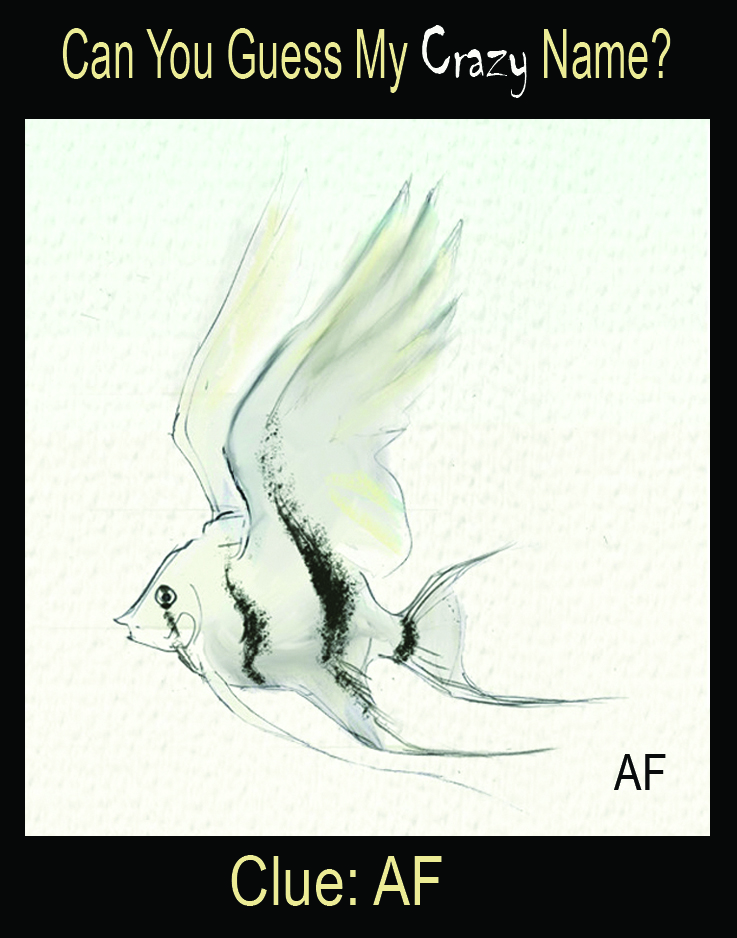
Angelfish represent two distinctly different groups of aquatic life: freshwater angelfish (Pterophyllum), which are highly popular South American cichlids kept in home aquariums, and marine angelfish (Pomacanthidae), which are vibrant, reef-dwelling ocean fish. Most aquarium enthusiasts are familiar with the freshwater species, famed for their compressed, arrow-shaped bodies and long, elegant fins. [1, 2, 3, 4]

  • Freshwater Angelfish (Pterophyllum): Hailing from the slow-moving, heavily vegetated waters of the Amazon and Orinoco River basins. They are laterally compressed (flat), allowing them to slip easily through dense aquatic roots and plants. [1, 2]
  • Marine Angelfish (Pomacanthidae): Found throughout the warm, shallow coral reefs of the Atlantic, Indian, and Pacific oceans. They are brightly coloured (often neon blues and yellows) and possess a signature sharp spine on their lower cheek. [1, 2]

Freshwater Aquarium Care & Demands

If you are planning to keep freshwater angelfish, their unique anatomy creates very specific habitat needs:

  • Tank Shape & Size: They require a minimum tank size of 30 to 40 gallons for a pair, or 55 to 100+ gallons for a community group. Because their fins can stretch their vertical height to over 8 inches, a tall aquarium is essential. [1, 2, 3]
  • Water Conditions: They thrive in warm tropical temperatures between 24°C and 28°C (75°F to 82°F). They prefer a relatively stable pH range of 6.0 to 7.8 and gentle water filtration. [1, 2, 3, 4]
  • Diet: As opportunistic omnivores, they need a high-protein diet. A mix of premium tropical flakes, sinking pellets, and regular frozen or live treats like bloodworms and brine shrimp keeps them healthy. [1, 2, 3, 4]
  • Temperament & Tankmates: Angelfish are generally peaceful but belong to the cichlid family, meaning they establish strict hierarchies and can become highly territorial when breeding. Never house them with tiny fish (like neon tetras), which adults will easily swallow, or with notorious “fin-nippers” (like tiger barbs) that will shred their long fins. [1, 2, 3, 4, 5]

Are you researching angelfish as a prospective pet owner setting up a tank, or are you looking for information on a specific wild species/marine variety? Let me know so I can tailor the details!

Assassin Bug

The assassin bug is a predatory insect belonging to the family Reduviidae, known for its stealthy hunting tactics and a unique, curved mouthpart used to liquefy and suck out the insides of its prey. [1, 2, 3]

Key Characteristics

  • Physical Features: They typically have elongated, oval bodies with narrow heads and long, thin antennae. Most are dark-coloured (black or brown), but some species can be vibrantly orange, red, or yellow.
  • The “Beak”: Their most distinctive feature is a sharp, three-segmented rostrum (beak). When not in use, it rests in a groove between their front legs.
  • Venomous Saliva: To kill, they inject a toxic saliva that contains neurotoxins to paralyze the victim and enzymes that dissolve complex tissues.
  • Global Presence: There are thousands of species found worldwide, including common types in the southern United States like the Wheel Bug and the Kissing Bug. [1, 2, 3, 4, 5]

Common Species & Their Risks

  • Wheel Bug: North America’s largest assassin bug, named for the cog-like crest on its back. Its bite is considered more painful than a bee sting.
  • Kissing Bug (Triatominae): Unlike most predatory assassin bugs, these feed on blood. They are famous for spreading Chagas disease through their faeces, which can be rubbed into the bite wound.
  • Masked Hunter: Known for its nymphs that camouflage themselves by sticking dust and lint to their bodies. [1, 2, 3, 4, 5, 6]

Interaction with Humans

While beneficial for natural pest control in gardens, they can deliver a highly painful bite in self-defence if handled. Some species, like the Platymeris biguttatus, can even “spit” venom at eyes, causing temporary irritation or blindness. [1, 2, 3, 4, 5]

Are you looking for information on how to identify a specific bug you found, or are you interested in pest control?